Affordable Office Rubbish Removal for Feltham Businesses
If your office in Feltham is filling up with broken desks, old chairs, cardboard, archive boxes, or the kind of "we'll sort it later" clutter that quietly takes over a room, you're not alone. Affordable office rubbish removal for Feltham businesses is one of those jobs that sounds simple until it suddenly isn't. The good news? It can be handled quickly, sensibly, and without draining the budget. This guide explains how it works, what to expect, where the real savings come from, and how to avoid the usual headaches along the way.
For many local firms, the challenge is not just getting rid of waste. It's doing it at the right time, with minimal disruption, and in a way that supports your compliance, your image, and your day-to-day workflow. Let's get into the practical side of it.
Why Affordable Office Rubbish Removal for Feltham Businesses Matters
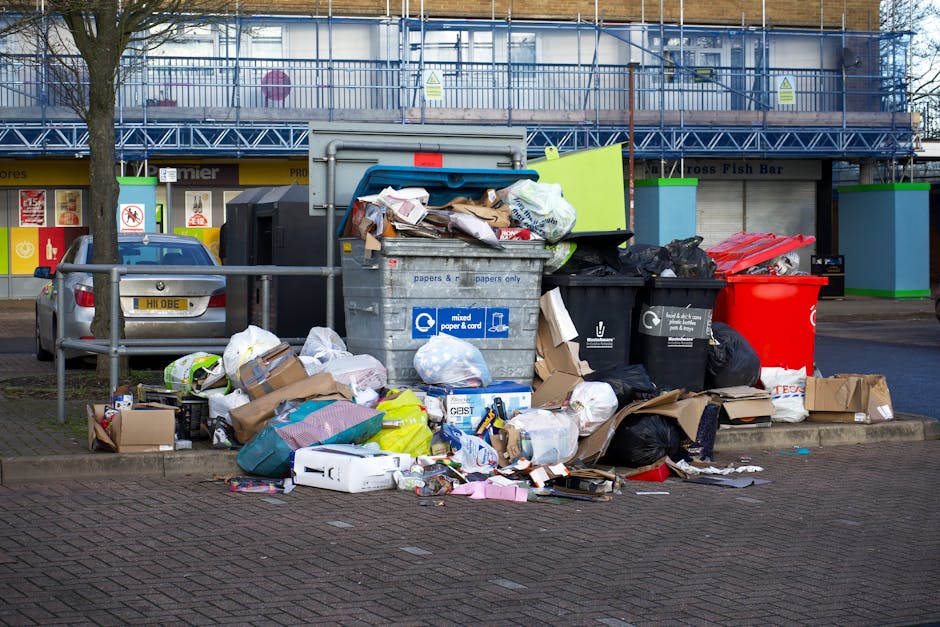
Office waste has a habit of building up in plain sight. One week it's a couple of old monitors and a pile of packaging. A month later there's a storage cupboard nobody can open properly, and someone is quietly moving a stack of redundant files from one corner to another. Sound familiar?
Affordable office rubbish removal matters because it solves several problems at once. First, it frees up space. That's the obvious bit. But it also reduces trip hazards, supports a tidier workplace, and helps your team work more efficiently. In a busy Feltham office, where space is often at a premium, every metre counts. A cleaner office can genuinely change the feel of the day. Less clutter, fewer distractions, slightly less chaos. Nice, isn't it?
There's also a financial angle. If rubbish is left to accumulate, the cost is rarely just about disposal. It can show up as lost storage space, staff time spent moving things around, last-minute emergency clearances, or even reputational damage if visitors walk into a workspace that looks neglected. To be fair, most businesses don't notice this cost line by line. They just feel it over time.
For Feltham businesses, a practical office clearance approach also helps when moving premises, refurbishing, downsizing, or simply making better use of the space you already pay for. And because office waste can include electronics, confidential papers, mixed recyclables, and bulky furniture, the job needs a proper plan rather than a rushed bin run.
Expert summary: affordable rubbish removal is not just the cheapest collection available. The best value comes from a service that removes waste efficiently, minimises disruption, handles the right waste types responsibly, and avoids hidden costs later on.
How Affordable Office Rubbish Removal for Feltham Businesses Works
In most cases, the process is straightforward. A business identifies the waste that needs removing, requests a quote, agrees a collection time, and the waste is taken away in one visit or a small series of visits. The difference between a smooth job and a messy one usually comes down to preparation.
Here is how the process normally works in practice:
- Identify what needs removing. Separate general rubbish, furniture, paperwork, and any electrical items where possible.
- Request a clear quote. A decent provider will want to know the volume, type of waste, access issues, and timing.
- Book a collection slot. Good scheduling matters, especially if your team is still working around the waste.
- Prepare the items. Put items in one area if you can. It speeds things up, and speed usually helps keep costs down.
- Removal and loading. The team clears the items, loads them safely, and ensures the site is left tidy.
- Sorting, recycling, and disposal. The waste is then processed in line with the waste type and handling expectations.
If your office is dealing with mixed waste, a service such as business waste removal can be a practical fit, especially where you need ongoing support rather than a one-off clear-out. For larger clearances that include desks, chairs, shelving, or filing cabinets, office clearance is usually the more direct option.
The key thing is that "affordable" should not mean vague. Ask what is included. Ask whether labour, loading, recycling, and disposal are part of the price. Ask how access issues are handled. One small detail left unasked can become the expensive bit later on. That's the bit nobody enjoys.
Key Benefits and Practical Advantages
There are several reasons businesses go looking for an affordable office rubbish removal solution rather than handling everything internally.
- Saves staff time: your team stays focused on actual work instead of moving old furniture down a corridor.
- Improves workplace safety: fewer trip hazards, less stacked clutter, and less awkward lifting.
- Protects productivity: a cleared space is easier to use and easier to maintain.
- Supports a better first impression: visitors, clients, and staff all notice a tidy workspace.
- Helps with refurbishment and relocation: clear-outs are much easier when they are planned alongside moving or fit-out work.
- Can reduce overall waste costs: a well-organised collection is usually more efficient than repeated small trips or ad hoc disposal.
There is another benefit that often gets overlooked: mental load. Offices with old furniture, broken printers, and piles of unlabelled boxes tend to feel heavier. It sounds a bit soft, maybe, but the effect is real. A clear room tends to encourage clearer decisions.
Businesses with regular waste streams can also combine office rubbish removal with broader waste removal support, which can be useful if you want a more consistent approach rather than a one-off emergency clean-up.
Who This Is For and When It Makes Sense
This service is suitable for a wide range of Feltham businesses, from small studios to multi-room offices. It tends to make the most sense when waste is bulky, awkward, time-sensitive, or simply too much for in-house handling.
Typical examples include:
- small offices clearing out old desks, chairs, and storage units
- shared offices removing accumulated unwanted items after tenancy changes
- retail back offices dealing with broken shelving, packaging, or outdated fixtures
- professional practices disposing of redundant office furniture and paper waste
- landlords or managing agents preparing commercial premises for new occupants
- businesses consolidating storage after downsizing or hybrid-working changes
It also makes sense when you need the work done outside normal trading hours. Early mornings, late afternoons, and quieter midweek slots can all help reduce disruption. If the thought of noisy moving, lift access, and people trying to work around a pile of old filing cabinets makes you wince a little, that's a sign the job needs a proper plan.
Where furniture is part of the issue, you may also find it helpful to look at furniture disposal or furniture clearance. The right route depends on whether you're removing a few items or clearing an entire floor. Different jobs, different rhythm.
Step-by-Step Guidance
If you want to keep costs under control, the best thing you can do is prepare the job properly. Here's a simple route that works well in real offices.
- Walk the space. Go room by room and note what actually needs to go.
- Separate waste categories. Keep furniture, paper, general rubbish, and electrical items apart where possible.
- Check for reuse opportunities. Some items may be useful elsewhere in the business, or suitable for donation if in good condition.
- Flag anything sensitive. Documents, hard drives, badges, and storage media need careful handling.
- Measure access. Stairs, lifts, parking restrictions, and loading points can all affect the job.
- Request a quote with full detail. The more accurate the description, the fewer surprises later.
- Book a time that suits the workflow. Quiet periods are usually best.
- Prepare the site. Clear routes, label piles, and keep staff informed.
- Review the clearance afterwards. Make sure the space is usable and that nothing important was left behind by mistake.
If the waste includes construction debris from a fit-out or refurbishment, you may need a more specialised route. In that case, builders waste clearance may be more suitable than a standard office collection. That distinction matters more than people think.
One small tip from experience: take a couple of photos before the quote stage. Even rough pictures help. They make it easier to describe volume and access, and they cut down on the awkward "oh, there's a second room as well" moment when the team arrives.
Expert Tips for Better Results
There are a few simple habits that make office rubbish removal cheaper, quicker, and less stressful. None of them are flashy. They just work.
- Group waste by type. A mixed pile takes longer to sort and can affect pricing.
- Clear access routes first. If the team can move safely and efficiently, the job usually runs better.
- Do one big clear-out instead of many tiny ones. Smaller, repeated collections often add up.
- Keep an inventory for valuable or reusable items. It avoids accidental disposal of useful equipment.
- Ask about recycling. Responsible sorting can reduce landfill and improve the overall value of the service.
- Schedule around business quiet times. Even one hour of interruption can feel longer than it is.
A useful mindset is this: treat rubbish removal like a mini project, not a chore. A little planning saves time and money, and the office feels better almost immediately. You can hear the difference sometimes. Fewer scraping sounds, fewer boxes being shifted, less of that faint background stress.
For businesses that care about waste handling standards, the recycling and sustainability information on the site is worth reviewing before you book, especially if you want to understand how different waste types may be managed.
Common Mistakes to Avoid
Most office rubbish removal problems are avoidable. The usual issues are not dramatic, just inconvenient and occasionally expensive.
- Leaving everything until the last minute. Rush jobs cost more in stress, if not always in money.
- Underestimating the volume. A room can look tidy until you start lifting items out.
- Mixing waste types without checking requirements. Electronics, paperwork, and furniture are not always handled the same way.
- Ignoring access limitations. Narrow stairwells and awkward parking can change the whole job.
- Forgetting confidential material. That is a headache nobody needs.
- Choosing purely on price. Cheapest is not always best value. Sometimes it is, but not automatically.
Another common mistake is assuming every item can just be thrown together and sorted later. In reality, good sorting before collection can make the process smoother and may improve recycling outcomes. That's the boring bit that saves money. Boring, yes. Effective, also yes.
If you are unsure whether your clearance needs a broader commercial waste approach, compare it with business waste removal and see which description fits the job better. A little clarity up front beats guessing.
Tools, Resources and Recommendations
You do not need complicated tools to organise office rubbish removal well. A few practical basics go a long way.
- Labels or sticky notes: useful for marking what stays, what goes, and what needs review.
- Phone camera: a quick photo record helps with quotes and planning.
- Simple inventory sheet: list bulky items, electronics, and anything sensitive.
- Floor plan or room list: handy if waste is spread across several rooms.
- Storage bins or cages: useful for keeping paper, cables, and small parts separate.
As a practical recommendation, ask the provider how they handle mixed office waste and bulky furniture. If a service can explain the process in plain English, that is usually a good sign. You want confidence, not corporate fog.
For businesses that need an organised, trustworthy starting point, the site's pricing and quotes page is a sensible place to begin. It helps set expectations before you commit.
Law, Compliance, Standards, or Best Practice
Office waste is not just a tidiness issue. In the UK, businesses have responsibilities around waste handling, storage, and disposal. You do not need to become a legal expert to get this right, but you should work with a provider that understands standard business waste expectations and handles material carefully.
Good practice generally includes:
- keeping waste secure before collection
- separating recyclable materials where practical
- ensuring confidential paper and records are protected
- making sure electrical items are not dumped casually with general rubbish
- using a service that operates safely and transparently
Health and safety matters too. Heavy lifting, sharp edges, unstable furniture, and blocked exits can all create risk if nobody is thinking ahead. That is one reason many businesses prefer to use a service with clear process standards. If you want to understand how safety is approached, the health and safety policy and insurance and safety pages provide helpful context.
Confidentiality is another sensible concern. If old files, drives, or sensitive material are involved, make sure disposal is handled in a way that suits your internal policies. Best practice is often simple: remove anything sensitive before the clearance day, or keep it clearly marked for special handling.
It is also worth checking terms before booking. Not glamorous, I know. But the terms and conditions page can clarify what is and is not included. That kind of reading usually only takes a few minutes, and it can save a lot of back-and-forth later.
Options, Methods, or Comparison Table
There is more than one way to handle office rubbish. The right option depends on volume, urgency, item type, and how much disruption you can tolerate.
| Method | Best for | Advantages | Watch-outs |
|---|---|---|---|
| In-house disposal | Very small amounts of light waste | Low immediate cost | Takes staff time, may be inefficient, awkward for bulky items |
| Ad hoc office rubbish removal | One-off clear-outs or mixed waste | Flexible and quick | Quote accuracy matters, access can affect price |
| Ongoing business waste support | Regular waste generation | More predictable and organised | May be unnecessary for one-off projects |
| Specialist furniture clearance | Old desks, chairs, filing cabinets, shelving | Efficient for bulky items | May need prior sorting if mixed waste is involved |
| Mixed commercial waste clearance | Office junk plus packaging, paper, and general debris | Convenient and time-saving | Needs clear item description and access details |
If the job is mostly old furniture, furniture clearance may be the cleanest fit. If it's a general office clear-out with several waste types, office clearance usually makes more sense. Simple enough, really.
Case Study or Real-World Example
Imagine a small Feltham accountancy office that has just moved to a slightly smaller suite after a lease review. The team has six desks that no longer fit, a stack of old swivel chairs, boxes of outdated files, a printer that has definitely seen better days, and a storage room that became a catch-all for "we'll deal with it later."
Instead of trying to handle it piecemeal, the manager lists the items, takes a few photos, checks access through the building, and arranges a single collection slot during a quieter afternoon. The removal team clears the bulky items first, then deals with the rest in stages so the office can keep operating. By the end of the day, the storage room is usable again and the reception area no longer looks like a temporary skip had exploded near the photocopier.
The real benefit here was not just the removal itself. It was avoiding repeated disruption. One planned visit was easier than three improvised ones. That is where affordability often shows up in the real world: less wasted time, fewer repeated calls, and no costly last-minute scramble.
For larger or more complex moves, some businesses also combine office clearance with broader services such as waste removal to keep everything under one organised approach.
Practical Checklist
Use this checklist before booking affordable office rubbish removal for your Feltham business.
- Identify exactly what needs removing.
- Separate furniture, paper, general rubbish, and electronics if possible.
- Remove confidential items or mark them clearly.
- Take quick photos of the waste and access points.
- Check stairs, lifts, parking, and loading space.
- Confirm timing that reduces disruption to staff and customers.
- Ask what is included in the quote.
- Review any terms that affect collection or disposal.
- Look at health, safety, and insurance information before booking.
- Plan for a final walk-through after clearance.
Quick takeaway: the best results usually come from a small amount of preparation. Nothing fancy. Just a clear list, a tidy access route, and a provider who knows how to handle commercial waste properly.
And if you want to understand the company behind the service before going ahead, the about us page is a useful place to start. It helps build confidence, which matters more than people admit.
Get a free quote today and see how much you can save.
Conclusion
Affordable office rubbish removal for Feltham businesses is really about getting the balance right: sensible pricing, reliable collection, minimal disruption, and proper handling of the waste itself. When that balance is in place, the whole office feels lighter. More usable. Less cramped. A bit easier to think in.
Whether you are clearing out a single storage room, replacing old furniture, or preparing for a move, the smartest route is usually the one that is clear, organised, and straightforward from the start. Truth be told, most office waste problems are smaller than they first look. They just need a proper plan and the right people to carry it out.
If you are weighing up your options, compare the practical details, not just the headline price. That simple habit tends to save time, money, and a fair bit of frustration. And once the clutter is gone, you notice the room again. That's a good feeling.
Frequently Asked Questions
What counts as office rubbish?
Office rubbish can include general waste, cardboard, packaging, broken furniture, obsolete equipment, paper records, and old office fixtures. Some items need special handling, so it helps to separate them before collection.
How do I keep office rubbish removal affordable?
Preparation is the main lever. Group items together, describe the waste clearly, book at a sensible time, and avoid mixing unnecessary items into the load. The clearer the job, the less chance of surprises.
Can office furniture be removed with general waste?
Sometimes yes, but not always in the same way or at the same price. Large desks, cabinets, and chairs are usually handled as furniture clearance rather than general rubbish, especially when volume is higher.
What if my office has confidential paperwork?
Remove sensitive documents before collection or keep them clearly separated for secure handling. Do not assume paperwork can just be thrown in with everything else. That is asking for trouble, really.
Do I need to be on site during collection?
Not always, but someone should be available to confirm access, answer questions, and check the final result. For offices with restricted entry, a responsible contact is especially useful.
How long does office rubbish removal usually take?
It depends on the amount of waste, access conditions, and how organised the items are. A small clear-out may be completed quickly, while a larger office clearance can take much longer. The more prepared the site, the smoother it tends to go.
Is office rubbish removal suitable for small businesses?
Yes. In fact, small businesses often benefit most because they usually do not have the time or spare staff to deal with bulky waste properly. A well-planned collection can save a lot of disruption.
What should I ask before booking a service?
Ask what is included in the quote, how mixed waste is handled, whether loading is included, what access details they need, and whether there are any items they cannot take. A few direct questions now are better than a muddled day later.
How can I tell if I need office clearance or business waste removal?
If you have a one-off bulk clear-out, office clearance may be the better fit. If you need regular or ongoing waste support, business waste removal is often more appropriate. The distinction is mostly about volume and frequency.
Can office rubbish removal help during a relocation?
Absolutely. It is often one of the most useful parts of a move, because it helps reduce what gets packed, transported, and unpacked. Moving less is almost always easier than moving more.
What happens to the waste after it is collected?
It is typically sorted for reuse, recycling, and disposal depending on the type of waste involved. Good providers aim to handle waste responsibly rather than just load it and forget it.
Where should I start if I want a quote?
Start by listing the items to be removed, taking a few photos, and checking access. Then review the service information and request a quote through the site's pricing details or contact route that best fits your needs.
For businesses in Feltham, the path to a cleaner, calmer workspace is usually simpler than it looks. One good clearance can make a surprisingly big difference, and that is often the beginning of a better week.