Understanding Hounslow Council's Bulky Waste Rules in Feltham
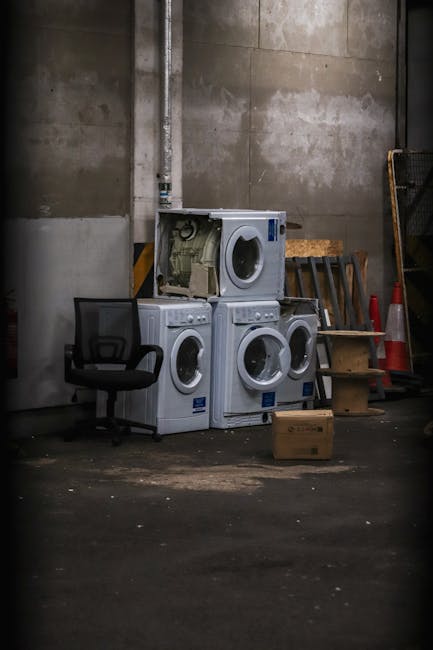
If you have an old sofa blocking the hallway, a broken wardrobe in the spare room, or a mattress that simply will not survive another week, bulky waste rules can feel more confusing than they should. In Feltham, the basics are shaped by Hounslow Council's collection process, local access issues, and the simple question most people ask first: what can actually be taken, how do I book it, and what happens if it is not accepted?
This guide on Understanding Hounslow Council's Bulky Waste Rules in Feltham is designed to make that decision easier. We'll walk through how bulky waste collections usually work, what residents need to check before booking, where people trip up, and when it makes more sense to choose a different route. If you are sorting a house clear-out, helping a relative, or just trying to get rid of one awkward item without turning the weekend into a mini crisis, you are in the right place.
Along the way, you'll also find practical context on local services and sensible next steps, including support pages such as bulky item collection, Hounslow rubbish removal, and Feltham rubbish removal. Sometimes the easiest answer is the one that fits your actual situation, not just the rulebook.
Table of Contents
- Why Understanding Hounslow Council's Bulky Waste Rules in Feltham Matters
- How Understanding Hounslow Council's Bulky Waste Rules in Feltham Works
- Key Benefits and Practical Advantages
- Who This Is For and When It Makes Sense
- Step-by-Step Guidance
- Expert Tips for Better Results
- Common Mistakes to Avoid
- Tools, Resources and Recommendations
- Law, Compliance, Standards, or Best Practice
- Options, Methods, or Comparison Table
- Case Study or Real-World Example
- Practical Checklist
- Conclusion
- Frequently Asked Questions
Why Understanding Hounslow Council's Bulky Waste Rules in Feltham Matters
Bulky waste sounds straightforward until you are standing in a front room with half a dismantled bed frame and a pile of cushions you forgot existed. In practice, the council process matters because it affects what can be collected, how quickly it can be removed, where it needs to be left, and whether it is accepted at all.
For Feltham residents, this matters even more because local homes vary a lot. Some properties have easy driveway access. Others sit on tighter residential streets, shared access roads, or flats where storing large items outside is awkward. The wrong approach can mean missed collections, extra lifting, complaints from neighbours, or simply wasting your time.
It also matters financially. If you know the rules in advance, you can avoid booking the wrong service, preparing items badly, or paying twice because one item was not eligible. Truth be told, that is where many people lose patience. The item itself is annoying enough; the process should not make it worse.
There is another angle too: safety. Large furniture, white goods, and heavy mixed waste can be awkward to move. A rushed lift down a narrow stairwell is how backs get twinged and walls get scratched. A bit of planning is not glamorous, but it saves a lot of trouble.
If you are comparing options beyond council collection, it can help to understand related local services such as home clearance and house clearance services. They are not the same thing, and that distinction matters more than people think.
How Understanding Hounslow Council's Bulky Waste Rules in Feltham Works
At a practical level, bulky waste collection is usually about requesting removal for large household items that do not fit in normal bins. The council may have an approved booking route, item limits, preparation rules, and collection day instructions. The exact details can change, so it is always wise to check the current service terms before arranging anything.
The process usually follows a pattern like this:
- Identify the item clearly. Make a list of what you want removed, including whether it is furniture, a mattress, an appliance, or mixed household junk.
- Check eligibility. Some items are accepted more easily than others. Hazardous materials, DIY debris, or heavily contaminated waste may need a different service.
- Book the collection. You will normally be asked for address details, item descriptions, and possibly access information.
- Prepare the items. Items may need to be outside, at the agreed collection point, or accessible without blocking public paths.
- Make sure the area is clear. If crews cannot safely reach the waste, the collection may not happen.
That sounds simple, but a lot can go sideways in the details. For example, a wardrobe that has been partly dismantled might be acceptable, while a wardrobe packed with old clothes, mixed fixtures, and sharp broken panels might be treated differently. A washing machine is not the same as a sofa. A mattress is not the same as a pile of loose foam.
If you are dealing with a single awkward item, a focused service such as mattress removal may be a better fit. If the job is bigger and includes several rooms, then rubbish removal may be the more practical route. Little detail, big difference.
One thing to keep in mind: council collections are generally best suited to standard domestic bulky waste. Once items become mixed, heavy, or unusually awkward, the process becomes less forgiving. That is not a criticism, just reality.
Key Benefits and Practical Advantages
Getting bulky waste cleared properly has some obvious benefits, and a few that only become obvious after the job is done. The room feels bigger. The hallway is less stressful. You stop side-stepping that old chair every time you carry laundry through. Small win, but a real one.
- Cleaner, safer space: Removing bulky items reduces trip hazards and makes rooms easier to use.
- Less stress: A clear process means fewer last-minute decisions and less chance of missing a collection.
- Better compliance: Understanding local rules helps you avoid improper dumping or leaving waste out incorrectly.
- More efficient disposal: Knowing what is accepted lets you group items sensibly instead of guessing.
- Better budgeting: You can compare council collection with private removal before committing.
There is also a practical household advantage that often gets overlooked: once the bulky waste is gone, the rest of the cleaning or redecoration becomes much easier. You notice it especially in older rooms. The light comes back in, the floor is visible again, and suddenly the space feels usable instead of temporary.
For many people, the biggest benefit is simply certainty. You know what happens next. No dragging the job out for weeks. No odd pile of furniture sitting by the wall making you feel guilty every time you walk past it.
Who This Is For and When It Makes Sense
This topic is relevant if you are a tenant, homeowner, landlord, letting agent, property manager, or family member helping someone downsize. It is especially useful if you have a larger item that cannot go in normal household waste, but is not quite a full house clearance job.
Here are the most common situations:
- Spring cleaning or seasonal clear-outs: When the garage, shed, or spare room has quietly become a storage cave.
- Moving house: If you are leaving behind old furniture rather than taking everything with you.
- Replacing furniture: Sofas, beds, wardrobes, tables, and chairs often create the biggest headache.
- End of tenancy: A landlord or tenant may need items cleared quickly and neatly.
- Bereavement or downsizing: These jobs are often emotional as well as practical, so clarity matters.
It also makes sense when you need to decide between a council collection and a private removal option. If you only have one or two acceptable items and time is on your side, council collection may be enough. If you need speed, heavier lifting, or mixed contents removed from inside the property, a private service can be easier. That is where pages like flat clearance and office clearance can also be useful, especially if the location is not a standard house.
And yes, the exact answer depends on the job. That is usually how these things go, to be fair.
Step-by-Step Guidance
If you want the process to go smoothly, it helps to treat it like a small project rather than a last-minute favour to yourself. Here is a practical way to do it.
1. Make a clear item list
Write down every bulky item you want removed. Include the type of item, approximate size, and whether it is broken down or still assembled. A one-line list on your phone works fine. No need for a grand spreadsheet unless that is your thing.
2. Separate regular waste from bulky waste
Do not mix random bags, loose rubbish, rubble, paint tins, or garden waste into the same plan unless the service specifically allows it. Mixed waste is where people get caught out. If you are not sure, keep it separate until you check.
3. Check access carefully
Think like the collection crew. Can items be reached easily? Is there a narrow hallway, a shared stairwell, a locked gate, or a resident parking issue? A few minutes of honest access checking can save a failed collection later.
4. Prepare items properly
If something can be safely dismantled, do it. Remove drawers where sensible. Tape loose doors shut. Empty cupboards. If a mattress is wet, heavily soiled, or infested, stop and reassess the method of disposal. Not all items are suitable for standard collection.
5. Book the right service
Choose the route that matches the waste, the size of the job, and the timing you need. If the job is larger than a normal bulky item pickup, a full removal service may be more practical than trying to squeeze it into a narrow council window.
6. Put the waste in the agreed location
Follow the collection instructions carefully. Usually, that means a point that is accessible and does not create a hazard. Blocking pavements or leaving items where they obstruct neighbours is asking for trouble.
7. Double-check the outcome
Once the items are removed, check whether anything was left behind. It happens. A chair leg, a cushion, a loose shelf. The little bits are always the sneaky ones.
If you want a more hands-on option or need extra help with lifting, man and van support can be a useful complement in some situations, particularly when access is awkward or there are multiple heavy items.
Expert Tips for Better Results
A few small habits make bulky waste removal much easier. Most of them are common sense, but common sense is oddly easy to lose when a room is crowded and you just want the job done.
- Measure before you move. A sofa might look manageable until you reach the stairwell.
- Take photos of awkward items. This helps if you are checking service suitability or explaining the job.
- Group similar items together. Furniture, appliances, and general bulky junk are easier to deal with when organised.
- Schedule with enough lead time. Rushed bookings often create access or preparation mistakes.
- Keep hazardous items separate. Paint, chemicals, gas canisters, and similar materials need special handling.
- Use the room clear-out as a reset. If the bulky waste is leaving anyway, it is a good moment to sort what should be donated, recycled, or kept.
One sensible little habit: make a "do not forget" pile for screws, remote controls, or small parts that belong to something larger. It sounds trivial, but if you have ever lost the fixings for a bed frame, you know the feeling. Slightly ridiculous, slightly annoying, very human.
Another useful tip is to think about the weather. A dry morning is easier than a drizzly late afternoon when cardboard softens and paths get slippery. London weather loves a dramatic entrance, so timing can matter more than you expect.
Common Mistakes to Avoid
Most bulky waste headaches come from a handful of preventable mistakes. Avoid these and you will be ahead of the game.
- Assuming every large item is accepted: Some waste needs special handling or separate disposal.
- Leaving items in the wrong place: If the collection point is unclear, the crew may not take the waste.
- Mixing bulky waste with general rubbish: Mixed loads are a common reason for problems.
- Forgetting about access: A narrow gate, parked car, or locked communal entrance can stop collection.
- Booking too late: If you are moving out or meeting a deadline, leave a buffer.
- Not checking item condition: Wet, contaminated, or damaged items may need a different service.
Another subtle mistake is underestimating volume. A single wardrobe can turn into two, then three, once it is dismantled. That corner you thought would clear in one go? Sometimes not. Better to assume a slightly bigger load than to be caught short.
If your job includes many rooms or a full property reset, it may be worth looking at commercial waste guidance as well, especially for mixed or larger-scale clear-outs involving business premises, rentals, or shared use spaces.
Tools, Resources and Recommendations
You do not need much to handle bulky waste properly, but the right tools make the job calmer and safer.
| Tool or Resource | Why It Helps | Best Used For |
|---|---|---|
| Measuring tape | Checks whether items will fit through doors and halls | Large furniture, beds, wardrobes |
| Basic screwdriver or hex key set | Helps dismantle furniture safely | Tables, bed frames, cabinets |
| Strong gloves | Protects hands from splinters, sharp edges, and grime | Mixed bulky items, old furniture |
| Dust sheets or old blankets | Protects floors and walls during moving | Indoor carrying and stairwells |
| Phone camera | Useful for documenting items and planning access | Booking and preparation |
In terms of support, a sensible next step is to decide whether you are dealing with a single item, a handful of bulky pieces, or a whole-room clear-out. That distinction matters more than many people expect. It affects timing, manpower, and the easiest disposal route.
For example, if you are only removing one mattress and a chair, a focused service may be enough. If you are clearing out an entire flat after tenants move, then a broader service such as end of tenancy clearance may be more suitable. If it is part of a property reset before sale or renovation, house clearance services can be a better fit. The point is to match the service to the real job, not the ideal one in your head.
Law, Compliance, Standards, or Best Practice
For bulky waste, the main compliance principle is simple: waste should be handled responsibly, collected through the correct channel, and left in a way that does not create a public nuisance or safety risk. Residents should follow the council's current guidance for booking, presentation, and accepted materials.
It is also wise to remember that not all waste is equal. Electrical items, sharp items, contaminated materials, and anything that could be hazardous may need a specific handling route. If you are unsure, do not guess. That is where people get into avoidable trouble.
Best practice in this area usually includes:
- accurate item descriptions
- safe lifting and carrying
- clear access for collectors
- separation of special waste streams
- timely booking rather than last-minute dumping
For landlords, agents, and property managers, there is a wider duty of care to ensure waste does not accumulate in a way that inconveniences neighbours or breaches tenancy obligations. For households, the common-sense version is just as important: keep pathways clear, do not obstruct shared areas, and avoid leaving items out too early.
That may sound obvious, but in busy residential streets, small mistakes have a way of becoming communal problems. Nobody wants a pile of broken furniture sitting by the kerb all weekend. Nobody.
Options, Methods, or Comparison Table
People usually choose between council bulky waste collection, private bulky item removal, or a fuller clearance service. Each has its place.
| Option | Best For | Strengths | Limitations |
|---|---|---|---|
| Council bulky waste collection | Standard household bulky items | Simple for accepted items, suitable for modest jobs | May have item limits, booking rules, and less flexibility |
| Private bulky item removal | Faster, more flexible collections | Often easier for awkward access or urgent jobs | May cost more depending on volume and service scope |
| House or flat clearance | Multiple rooms or full-property clear-outs | Ideal for large-scale jobs and mixed contents | Can be more than you need for a single item |
In plain English: if you have one or two normal bulky items and you are not in a rush, the council route may be all you need. If your situation is messy, time-sensitive, or physically difficult, private help can save a lot of strain. That is not about convenience for its own sake. It is about choosing the option that will actually finish the job.
Case Study or Real-World Example
Imagine a Feltham resident clearing a two-bedroom flat after a long tenancy. There is a sofa, a broken bed base, a mattress, an old chest of drawers, and a few odd bits from the cupboard that have somehow multiplied over the years. At first glance, it feels like "just a few things." Then the hallway fills up, the lift is small, and the bed base does not fit neatly into the stairwell. Classic.
In that situation, the resident might first check whether the bulky items fit the council's rules and schedule. The mattress and sofa may be straightforward enough, but the mixed small items and the awkward dismantled furniture may make the job less tidy than expected. If the deadline is tight, or if the property has restricted access, a broader removal or clearance service is often easier than trying to make everything fit one narrow collection method.
What helps most in this sort of case is preparation:
- items were listed before booking
- the bed was dismantled in advance
- loose screws and fittings were bagged up
- the access route was checked before the removal day
The result? Less back-and-forth, less stress, and no last-minute scramble to move furniture in the rain. Small things, but they matter. Especially when the clock is ticking and you just want the place clear.
Practical Checklist
Use this before you arrange any bulky waste collection in Feltham.
- List every item you want removed
- Check whether each item is eligible for the chosen service
- Separate bulky waste from general rubbish
- Identify any hazardous, contaminated, or electrical items
- Measure large pieces against doors, stairwells, and hallways
- Confirm access to the property and collection point
- Dismantle items where safe and practical
- Remove personal belongings from drawers, cupboards, and cushions
- Book with enough time for preparation
- Keep the collection area clear on the day
- Take photos if the items are unusual or bulky
- Double-check what should remain and what should go
Quick version? Be clear, be prepared, and do not assume the item is acceptable until you have checked. That alone prevents a lot of hassle.
Conclusion
Understanding Hounslow Council's bulky waste rules in Feltham is really about making a simple job stay simple. Once you know what counts as bulky waste, how collection usually works, and where the common problems happen, the whole process feels far less irritating. You can plan properly, choose the right service, and avoid that awkward moment when a collection fails because the item was not prepared or the access was not right.
For some households, the council route will be the neatest solution. For others, especially when items are heavy, mixed, urgent, or awkward to move, a private removal or clearance service may be the calmer choice. The best decision is the one that fits your space, your timeline, and your level of energy on the day. And let's be honest, some days you simply do not have the energy for another round of furniture wrestling.
Get a free quote today and see how much you can save.
If you are ready to clear space without the guesswork, start with the option that fits your actual load, not the one you wish you had. That small bit of planning can turn a messy job into a manageable one, and it is a good feeling when the room finally breathes again.
Frequently Asked Questions
What counts as bulky waste in Feltham?
Bulky waste usually means large household items that do not fit in standard bins, such as sofas, beds, wardrobes, tables, chairs, and some appliances. Exact acceptance depends on the current service rules, so it is always worth checking item by item.
Can I leave bulky items outside my property before collection?
Usually yes, but only in the agreed collection area and only when instructed. Items left too early or in the wrong place can cause complaints, obstruction, or a missed collection. Keeping the path clear is the safe option.
Are mattresses accepted with bulky waste collections?
Often mattresses can be collected as bulky waste, but they may need to meet specific condition or presentation rules. Wet, contaminated, or damaged mattresses may require a different disposal route.
Do I need to dismantle furniture before collection?
Not always, but dismantling large items when safe can make collection much easier. It helps with access and reduces the chance of damage. If an item is awkward or unstable, get it ready carefully rather than forcing it apart.
What should I do with electrical items?
Electrical items may need separate handling depending on the service and the item type. Some can be collected with bulky waste, while others need a specific route. Do not assume all electricals are treated the same way.
How do I know if council collection is enough?
If you have one or two standard bulky household items, good access, and no urgency, council collection may be enough. If the job is larger, mixed, or time-sensitive, a private removal or full clearance service is often the easier choice.
What if my items are too heavy to move myself?
If lifting would be unsafe, do not push it. Heavy or awkward items are exactly where professional removal support can help. It is better to plan properly than risk injury trying to be heroic for five minutes.
Can I mix rubbish bags with my bulky waste?
Usually that is not a good idea unless the service specifically allows mixed loads. Bulky waste and general rubbish are often handled differently, and mixing them can lead to problems or rejected items.
How far in advance should I arrange collection?
As early as possible, especially if you are working to a move-out date, tenancy deadline, or renovation schedule. A small buffer gives you time to prepare items and solve access issues before collection day.
What if I have a full flat or house to clear?
If you are clearing multiple rooms or an entire property, bulky waste collection may not be the best fit on its own. A broader service such as flat clearance or house clearance is often more practical and less stressful.
Are there items I should never put out as bulky waste?
Yes. Hazardous materials, chemicals, gas canisters, and some contaminated items usually need special handling. If you are unsure, separate the item and check the correct disposal route before booking anything.
What is the most common reason bulky waste collections go wrong?
The most common problems are poor access, unclear item descriptions, and mixed waste. In other words: the item list was too vague, the route was too tight, or the wrong things were bundled together. A little preparation avoids most of it.